

HOW TO INSULATE A LOG CABIN FOR COMFORTABLE YEAR-ROUND USE
One of the questions we’re asked most often is:
“Can I use a 44mm or 70mm log cabin all year round?”
The answer is yes.
While thicker log walls already offer excellent natural insulation compared to many garden buildings, adding additional insulation can transform your cabin into a comfortable workspace, guest room or hobby room that stays warm in winter and cool in summer.
And before I go any further, please don’t forget to add a lot of air flow. Install plenty of ventilation. Don’t just insulate it, add a log burner etc, and keep all the door closed. Make sure you do research on how much moisture you or your fire or your equipment gives off, and add the appropriate amount of ventilation, or you will get mold issues. Cheers.
Why Insulate a Log Cabin?
A quality 44mm or 70mm Scandinavian log cabin already performs well, but insulation offers several advantages:
- Lower heating costs
- Improved comfort throughout the year
- Reduced condensation
- Better sound insulation
- More suitable for offices, studios and guest accommodation
For anyone planning to spend long periods inside their cabin, insulating the walls, floor and roof is a worthwhile investment.
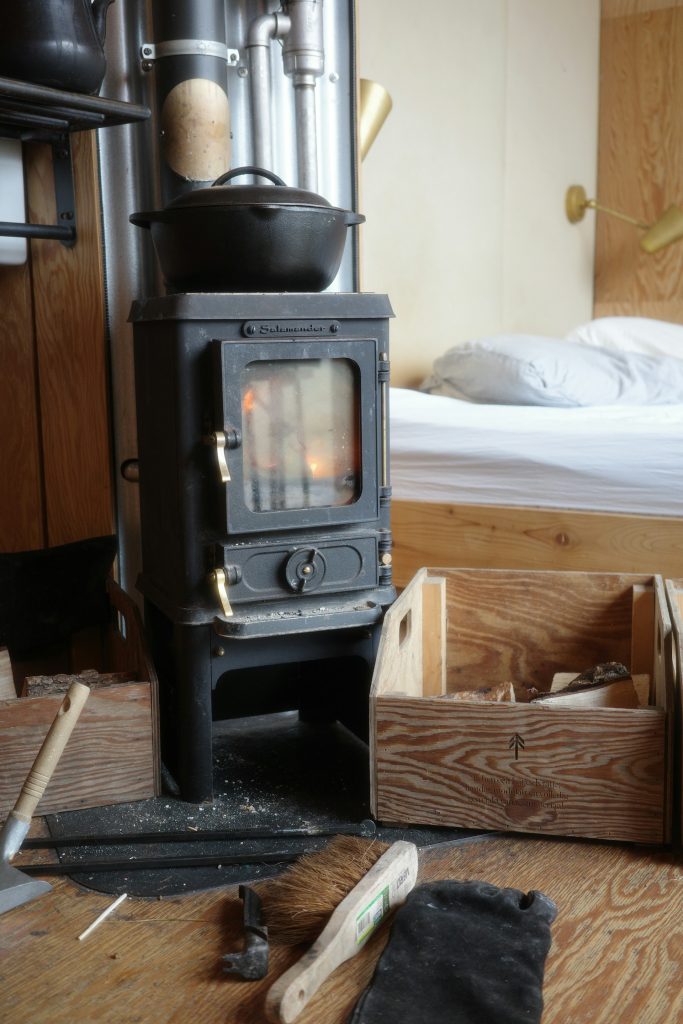
Option 1 – Internal Wall Insulation
Internal insulation is usually the easiest and most cost-effective method.
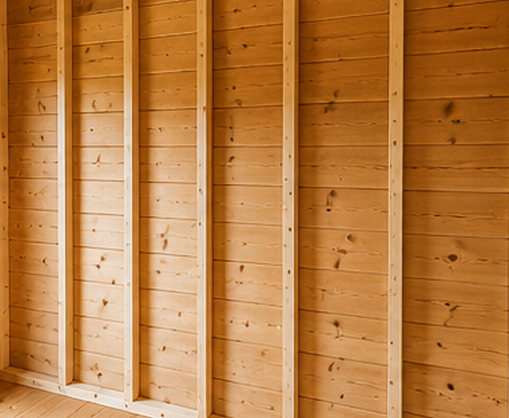
Step 1 – Fit Timber Battens
Fix treated timber battens vertically to the inside of the cabin walls.
A common choice is:
- 38 x 50mm timber
- 50 x 50mm timber
- 63 x 38mm CLS timber
Leave a small ventilation gap between the log wall and insulation where possible to allow the timber to breathe.
Step 2 – Install Insulation
Place insulation between the battens.
Suitable materials include:
- PIR insulation boards (such as Celotex or Kingspan)
- Mineral wool
- Rockwool
- Sheep’s wool insulation
- Wood fibre insulation
PIR boards provide excellent thermal performance while taking up less space.
Rockwool and sheep’s wool also improve acoustic insulation and help regulate moisture.

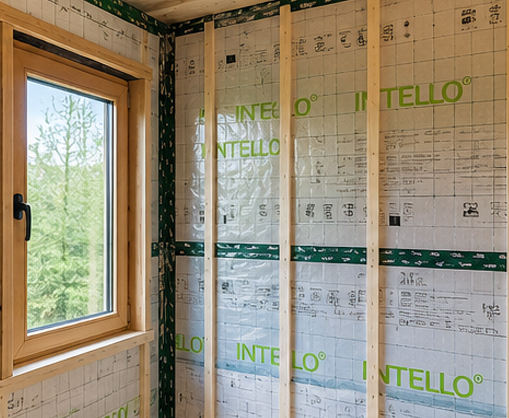
Step 3 – Install a Vapour Control Layer
Before fitting the internal lining, install a vapour control membrane.
This helps prevent warm indoor air reaching colder surfaces inside the wall construction where condensation could form.
Tape all joints carefully to create a continuous barrier.
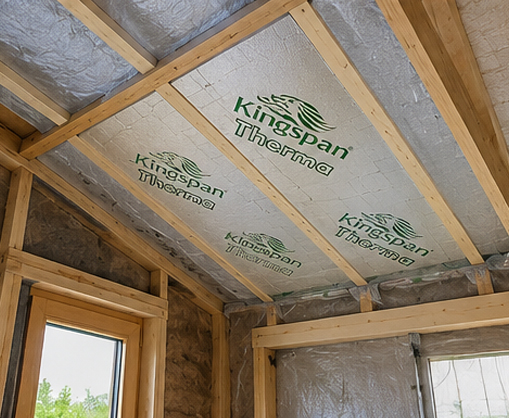
Don’t forget to insulate the roof in the same way. And also add insulation to the floor.
The floor is probably the most important part, because of thermal bridging, cold coming up through the floor, so use solid insulation if you can, even just cutting up polystyrene and adding it between the joists.
Step 4 – Finish the Interior
You can now line the walls with:
- Tongue and groove timber
- Plywood
- MDF
- Plasterboard (where appropriate)
- Decorative wall panels
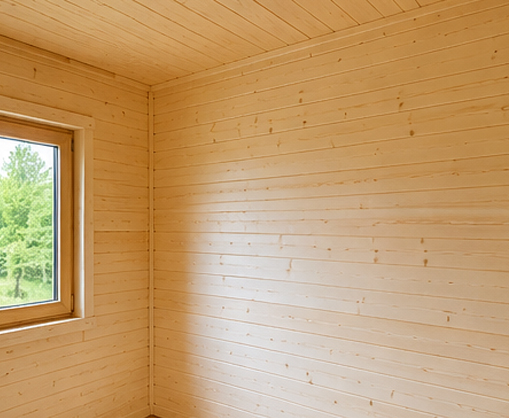
Many people choose tongue and groove cladding to keep that log cabin vibe.
Option 2 – External Wall Insulation
External insulation provides excellent thermal performance while preserving the internal floor space.
This method is more involved but can produce exceptional results.
The process typically involves:
- Timber battens fixed externally
- Breathable membrane
- Insulation boards between battens
- Ventilated cavity
- Timber cladding
Popular external finishes include:
- Scandinavian timber cladding
- Cedar cladding
- Thermowood
- Composite cladding
Externally insulating the cabin also helps reduce thermal bridging through the wall structure.
I might come back to this, and write more about it at some point, but there’s already a lot online about it. Just do your research. It’s fun!