
CAN I SLEEP IN A LOG CABIN?
The UK’s Favourite Extra Bedroom Explained
There comes a point in every family home when space starts to feel a little… tight.
The kids are getting older, relatives keep turning up for weekends, and somehow every spare room has become a home office, gym, laundry room, or all three at once.
That’s why more homeowners are discovering the appeal of a garden log cabin. Whether it’s a cosy retreat for teenagers, a place for visiting grandparents to stay, or simply somewhere to escape the household chaos, a log cabin can provide valuable extra space without the expense of moving house.
But one question comes up time and time again:
Can you actually sleep in a log cabin in the UK?
The short answer is yes—but there are a few things you should know.
The Good News: Yes, You Can Sleep in a Log Cabin
Contrary to popular belief, there’s no rule that says you can’t occasionally sleep in a garden log cabin.
Many families use their cabins as:
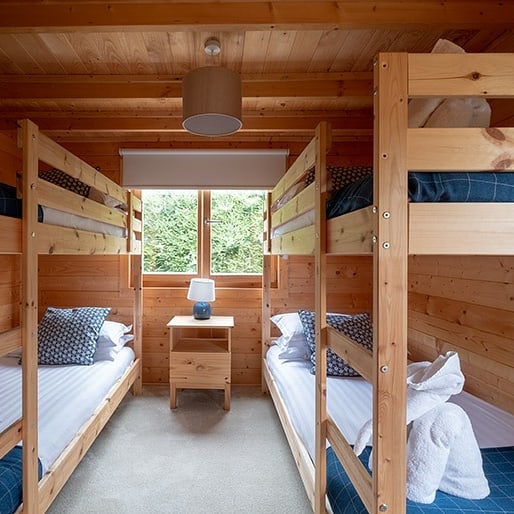
- Guest bedrooms for visiting friends and relatives
- Sleepover spaces for children and teenagers
- Summer accommodation during school holidays
- Garden retreats for those who enjoy a little peace and quiet
- Hobby rooms with the occasional overnight stay
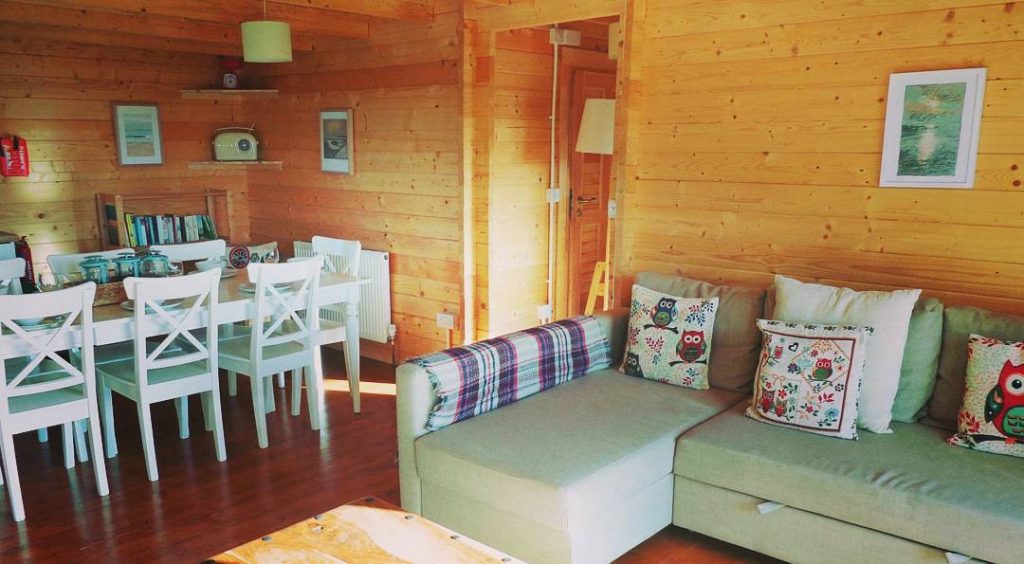
In fact, one of the biggest advantages of a well-insulated Scandinavian log cabin is that it feels far more like an extension of your home than a garden shed.
Throw in a comfortable bed, a cosy chair, a few personal touches, and suddenly you’ve got the most popular room in the house.
The Cabin Every Teenager Wants
Let’s be honest.
For many parents, the dream isn’t actually a garden office. It’s a place where their kids can disappear to, and give them a little space.
It’s a place where the teenagers can hang out without turning the living room into a permanent gaming convention.
A log cabin can provide the perfect space for movie nights, sleepovers, gaming sessions, and weekend hangouts.
The bonus?
Everyone gets a little more breathing room.
Parents get their lounge back, teenagers get their independence, and family life becomes noticeably less crowded.
So, Do You Need Planning Permission?
This is where things get slightly more complicated. And wow, you’re still reading this?
In many cases, planning permission is not required for a garden log cabin.
Most cabins fall within what are known as Permitted Development Rights, allowing homeowners to add certain outbuildings without making a formal planning application.
However, there are some important conditions.
Generally speaking, your log cabin should:
- Be located within your property’s boundaries
- Remain incidental to the main house
- Be single storey
- Comply with height restrictions
- Not take up more than 50% of the garden area surrounding the original house
If these conditions are met, planning permission is often unnecessary.
What’s the Difference Between Sleeping in a Cabin and Living in One?
This is the point that causes the most confusion.
Occasional sleeping accommodation is usually very different from creating a separate dwelling.
A guest room used by family members or visitors is generally considered part of the normal enjoyment of the property.
However, if the cabin becomes a completely self-contained living space with permanent occupation, planning considerations can change significantly.
Local authorities may look more closely at cabins that are intended to function as independent homes.
In simple terms:
Guests staying occasionally? Usually fine.
Creating a separate house in the garden? That’s a different matter.
FIND OUT MORE HERE